Ahhh!!!! You have finally decided that you are sick of paying someone else’s mortgage and want to start paying your own! Lucky you, I have compiled steps to get you headed on the right path to home ownership.
- Talk to a Lender
The lender with collect information from you that they will use to determine if you need to improve your credit, discuss the best loan options for you and figure out how much home you can afford.
Most lenders will help you improve your credit so you don’t need to go through a credit repair company for this. Sometimes, they can help you get your credit to where it needs to be within a couple of months.
There are a lot of different loan options available. Some options include low to nothing down, which are a great option for most first-timers.
You want to figure out how much house you can afford for a couple of reasons. The first one is you don’t want to fall in love with a house you can’t afford. This becomes frustrating for both you and your agent. Next, you are going to not want to look at houses too low in price. If you are going with a government loan (those low to nothing down ones I mentioned earlier), there are certain requirements that need to be place for the loan to be approved.

2. Talk to a REALTOR
Once you have figured out how much you can afford, you are going to want to talk to a REALTOR to decide what type of home you want. They agent will compile a list of homes that meet your criteria and you will get to decide which ones you want to look at. Once you find a home that you want, you and your agent will
write up an offer to submit to the sellers. The sellers will then decide if they want to accept, reject or counter your offer. If the seller accepts, Congratulations! You are under contract! If they reject your offer, you can decide if you want to submit a better offer for the sellers or move on to another home. If the sellers counter your offer, you can decide if you want to accept, reject or counter back. If you aren’t sure what to do, your agent will be there to help you.
3. Hire an Inspector

Once you have gone under contract, the seller will send you Seller’s Property Condition Disclosure. This is a form that the sellers have filled out to make you aware of the home’s conditions. Next, you will find an inspector and hire them to inspect the home. You will be there so the inspector can walk you through the findings. If there are things on the inspection report that you want fixed, you can ask the sellers to fix them. You are under a diligence time period that you can walk away from your contract, and be able to keep your earnest money, if the home is needing too many repairs or the sellers refuse to fix the items. There may be items that need to be repaired in order for the loan to be approved.
4. The Appraisal
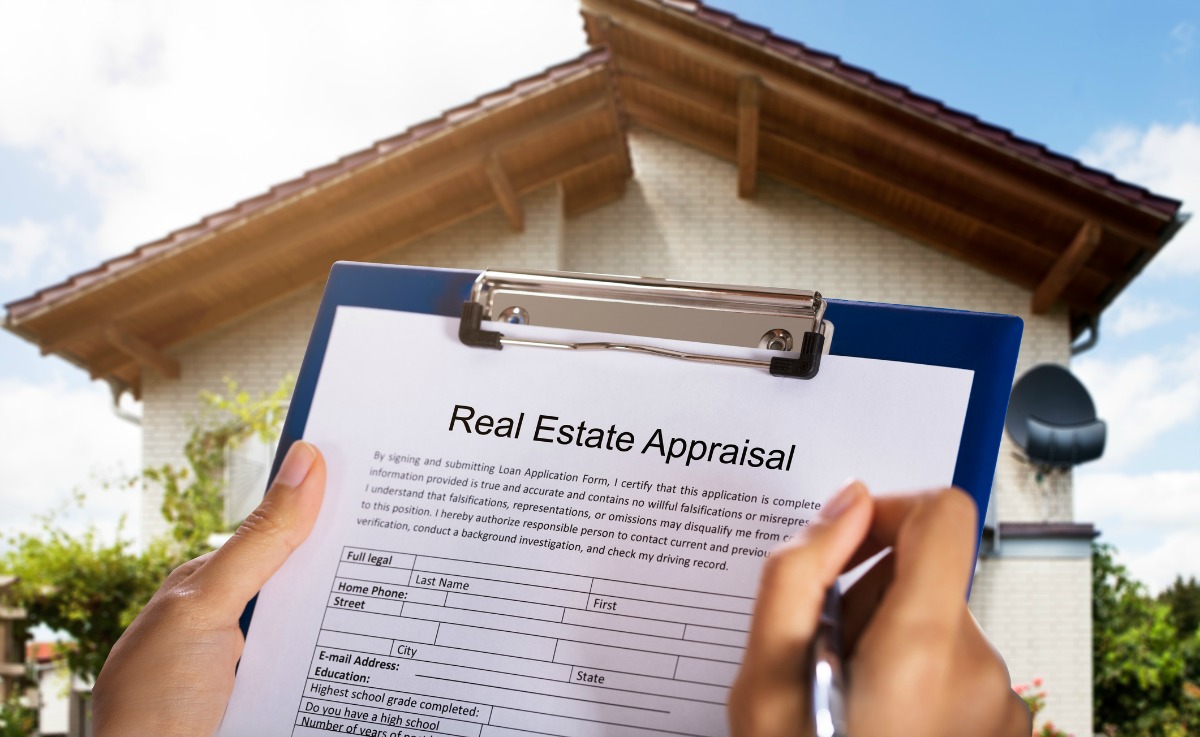
Your lender will find an appraiser to come and see how much the home is worth. You maybe able to have equity when the home closes or you may need to renegotiate with the seller if the appraisal comes in too low. The appraisal is for the lender to make sure they are protecting their investment.

5. Closing (Settlement)
You have made it to the last step! Now you get to meet with an Escrow officer and they will go over all of your documents. The meeting where you sign all of your closing documents is called “Settlement”. Most people call it closing. However, closing is when everything funds and the transaction closes (sometimes 24-48 hours after settlement).
 Live in Tooele